
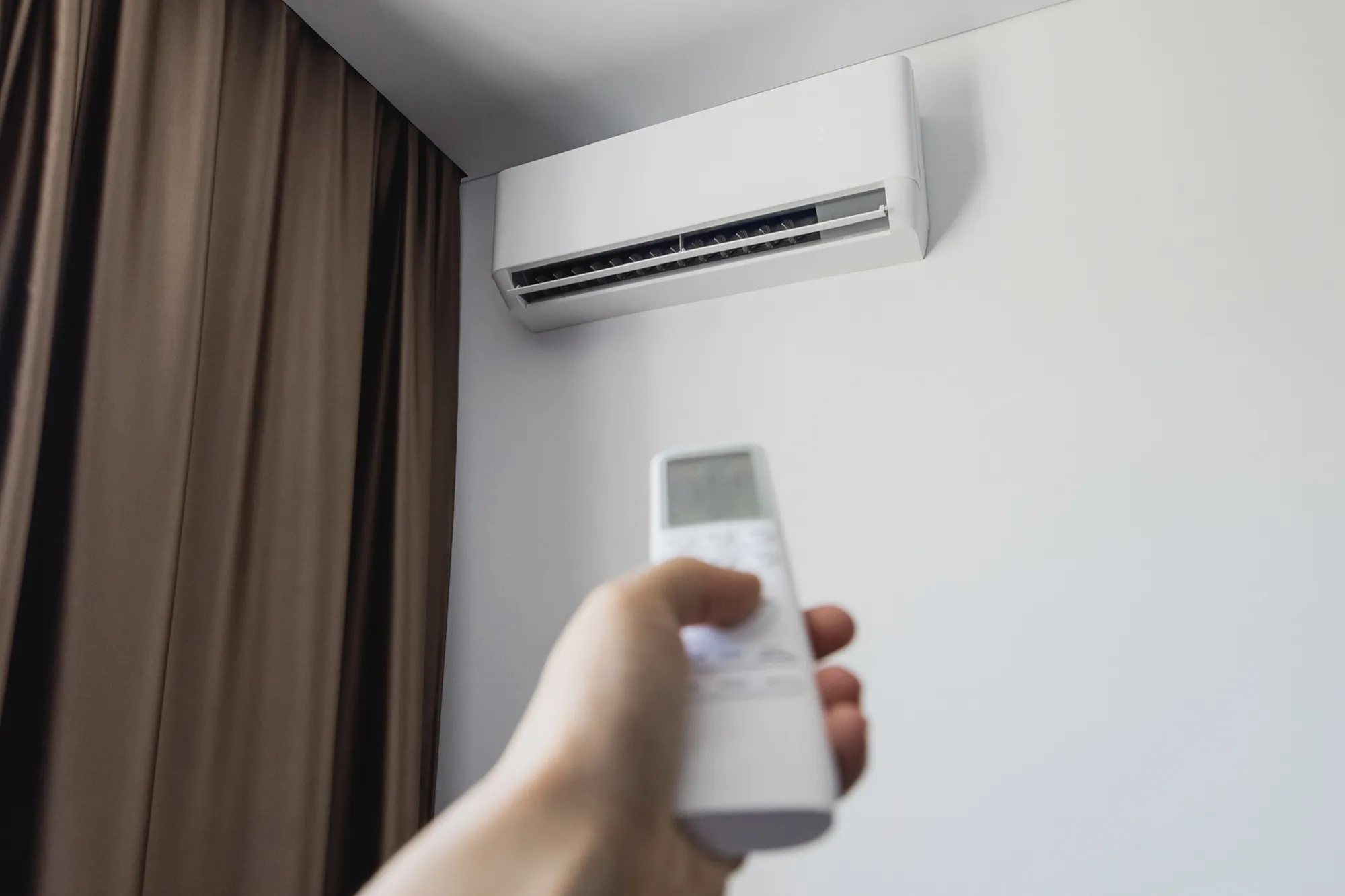
Mini Split Repair in Largo, FL from a Mitsubishi Diamond Dealer
A mini split looks simple: a sleek box on the wall and a remote. But inside that box is a complete HVAC system, with its own blower, drain pan, sensors, and circuit board, all talking to an outdoor unit. When one piece acts up, the symptoms can be confusing, and the fix takes someone who knows ductless systems inside and out. As a Mitsubishi Diamond Dealer, that’s Jenergy Air Services®.
From the condos of St. Pete Beach to the bonus rooms of Seminole and Clearwater, our Largo team keeps ductless mini splits across Pinellas County doing their job. And for those concerned about not having a top-of-the-line system, don’t worry; we repair every make and model.

Signs Your Mini Split Needs Repair (Besides the Obvious)
Mini splits don’t always quit outright. More often, they start acting a little off, and catching it early usually means a smaller repair bill. If your system is doing any of these, it’s time for a professional look:
Before you call, grab your phone and record a short video of those blinking lights, counting the blinks as you go. Error codes vary by brand and model, and that pattern often points straight to the problem. Text the video to us when you book, and your tech shows up with a head start on the diagnosis.
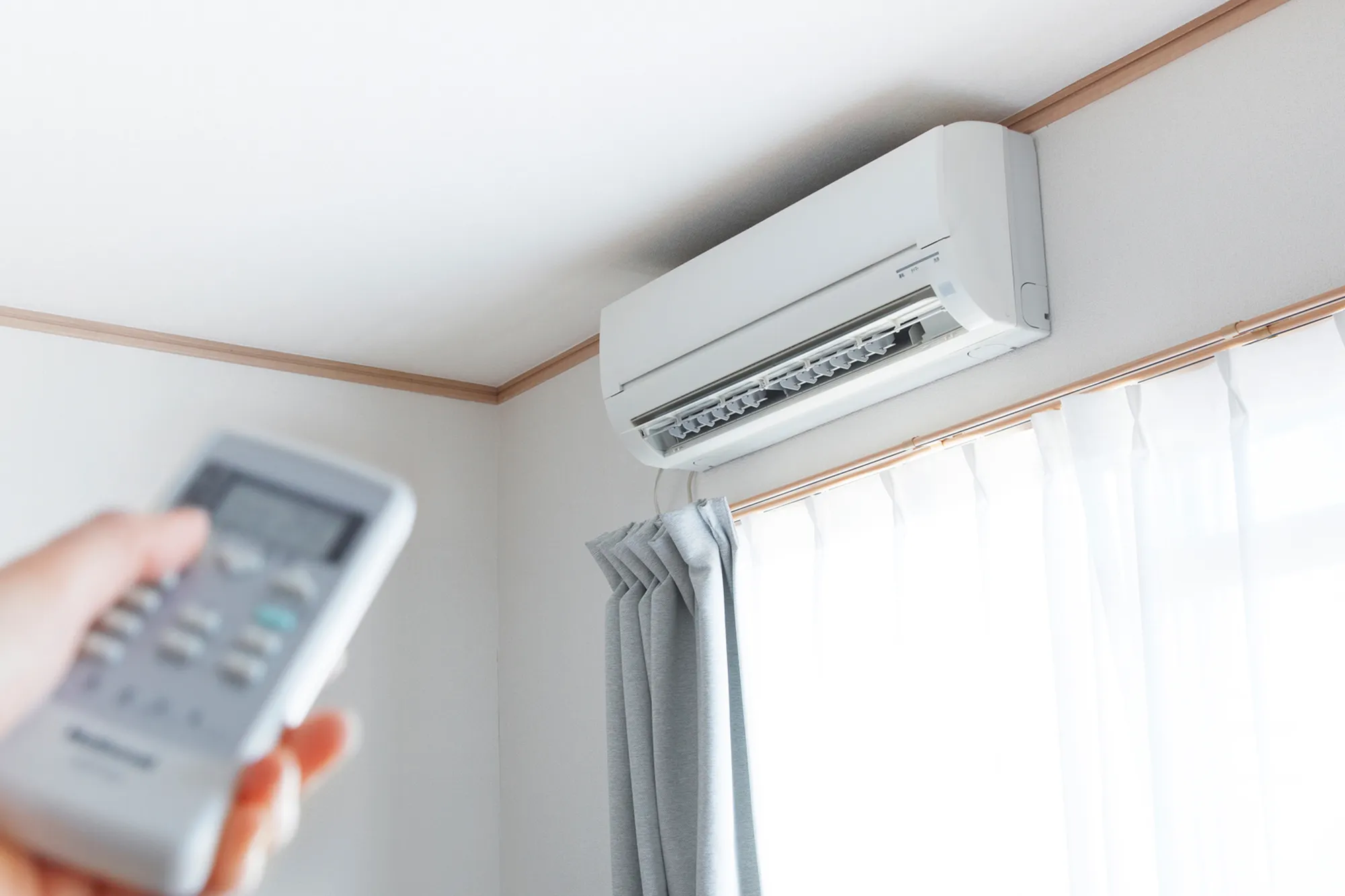
The Repeat Offenders in Every Ductless System
Mini splits are incredibly reliable, but Florida humidity and salt air give them a few predictable weak spots.
Every mini split pulls water out of the air, and that water drains through a small line or a condensate pump. In Florida, algae and gunk clog those lines fast. When they back up, water drips from the indoor unit and stains the wall below.
Inside is a barrel-shaped fan that moves air into the room. Over time, it collects dust and mold that your filter can’t catch, especially in humid homes. The result is a musty smell, weaker airflow, and sometimes dark specks blowing out of the unit.
Near the water, salt air is brutal on mini split outdoor units. It corrodes coils, wiring connections, and circuit boards, which can lead to communication errors between the indoor and outdoor units or a system that won’t start.
Mini Questions With Big Answers
More often than you may think. During heavy use, check them every few weeks and clean them at least once a month. Most can be rinsed with water, but let them dry completely before putting them back. Clean filters protect the parts you can’t reach, like the blower wheel and coil, which still need professional cleaning from time to time.
In most cases, yes. Well-maintained mini splits can last 15 years or more. But if your system is older, still runs on R-22 refrigerant, or needs a repair that’s creeping toward the cost of a new unit, replacement might be the smarter move. We’ll give you an honest answer either way, even if it means a smaller ticket for us.
Yes. We’re a Mitsubishi Diamond Dealer, but we repair every make and model of ductless system, from the well-known names to the budget brands. Every brand has its own error codes and quirks, and our techs know how to read them. That means whatever’s on your wall, we can diagnose it and tell you what it needs.
One honest heads up, though: DIY kits sold online are a little different. Parts can be hard to find, warranty coverage often doesn’t apply when a system wasn’t installed by a licensed contractor, and small installation issues can keep a repair from lasting. That means you could pay for a fix today and end up calling us again a few months later.
In most cases, the better use of your money is replacing it with a professionally installed system that’s sized for your space and backed by a full warranty. We’ll always walk you through the reasoning and your options, so the decision stays yours.
Mini splits are sized in BTUs, usually ranging from 9,000 for a small bedroom to 24,000 or more for large, open spaces. Online charts match BTUs to square footage, but they skip what matters most in Florida, like sun exposure, windows, ceiling height, and insulation.
Get it wrong, and you’ll end up with a system that either leaves the room cold and clammy or runs nonstop without catching up. Our technicians measure your space and recommend the size that fits, not just the one a chart picked for you.
Sometimes. A multi-zone system can heat and cool a whole home, with indoor units in the rooms that need them and no ductwork required. It’s often a smart move for homes with older ductwork, like the original 1970s systems common in Largo, Seminole, and St. Petersburg.
There’s also a middle ground: ducted mini splits use short, hidden duct runs, so you get ductless efficiency without a unit on every wall. That said, if your ducts are in good shape, a central system is usually the better value, since a whole-home ductless setup often costs more upfront. When we arrive for your service call, we’ll examine your home, ducts, and budget, then tell you honestly which option makes the most sense.
Those Rooms Aren’t Going to Cool Themselves
You shouldn’t be paying for air you’re not getting. Whether it’s the garage gym you swore you’d start using or the sunroom that turns into a sauna by noon, it’s only worth having when the mini split works. Schedule your repair call with Jenergy today to get started.